
Glossary term
MSN Messenger
MSN Messenger was Microsoft’s instant messaging service, introduced in 1999 and later renamed Windows Live Messenger. It let people see contacts online and exchange messages, with later versions adding display pictures, personal messages, voice, video, and playful effects.
A contact signing in was an event. So was a nudge, which made sure you noticed. Over several versions, Microsoft’s messenger became a place to talk, tinker with your display name, and make a small spectacle of being online.
The first MSN Messenger
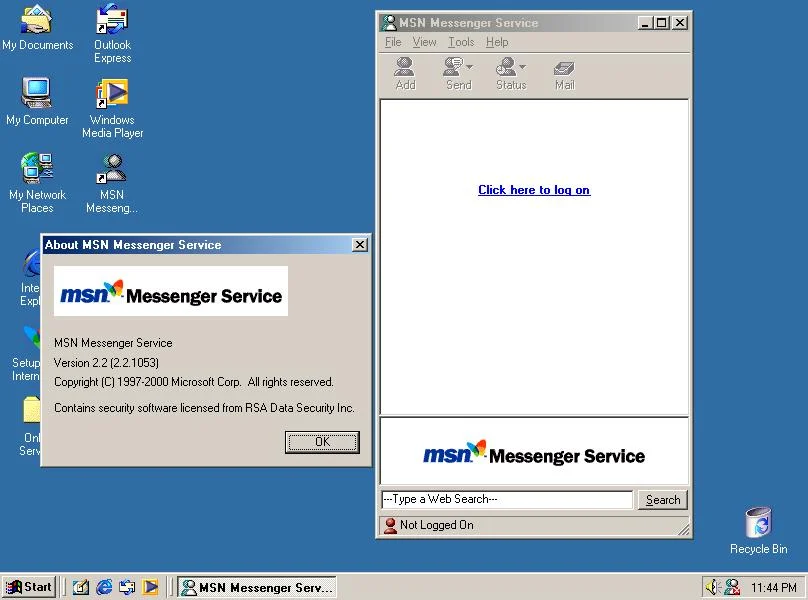
Microsoft announced MSN Messenger Service on July 21, 1999, with downloads available from July 22. The original service emphasized online contacts, instant messages, and connections with Microsoft’s other communication tools.
The familiar ritual was already there: sign in, look for a name, decide whether to say hello. Later versions gave people more ways to announce themselves, from pictures and songs to a nudge that was difficult to ignore.
The contact list comes to life
You signed in, added contacts, and started conversations with people on your list. Presence settings indicated whether a person was available or away. Microsoft’s launch announcement described both manually chosen and automatically detected absence.
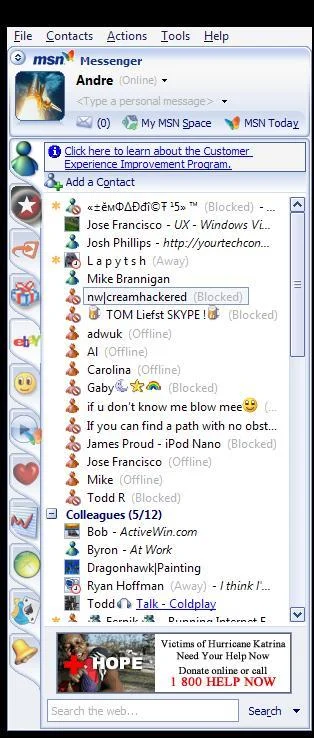
Later versions made more room for a person’s picture and words. A contact list was useful even before you sent a message: it showed who might be around.
What were nudges and winks?
A nudge shook the conversation window to attract attention. A wink played an animation over the conversation. They were different effects, not two names for the same notification.
Both were part of the MSN Messenger 7 era. Microsoft’s April 2005 release announcement highlighted winks and personalization; a review published that same month described nudges and how users could turn these interruptions off.
Display names and personal messages
MSN Messenger 7.0 let people display a personal message alongside their name and status. Microsoft also described showing the song playing in Windows Media Player or iTunes.
Your name could stay the same while the line beside it changed with your mood or your music. Like an away message, it gave people something to read into before a conversation had even started.
Was Windows Live Messenger a different service?
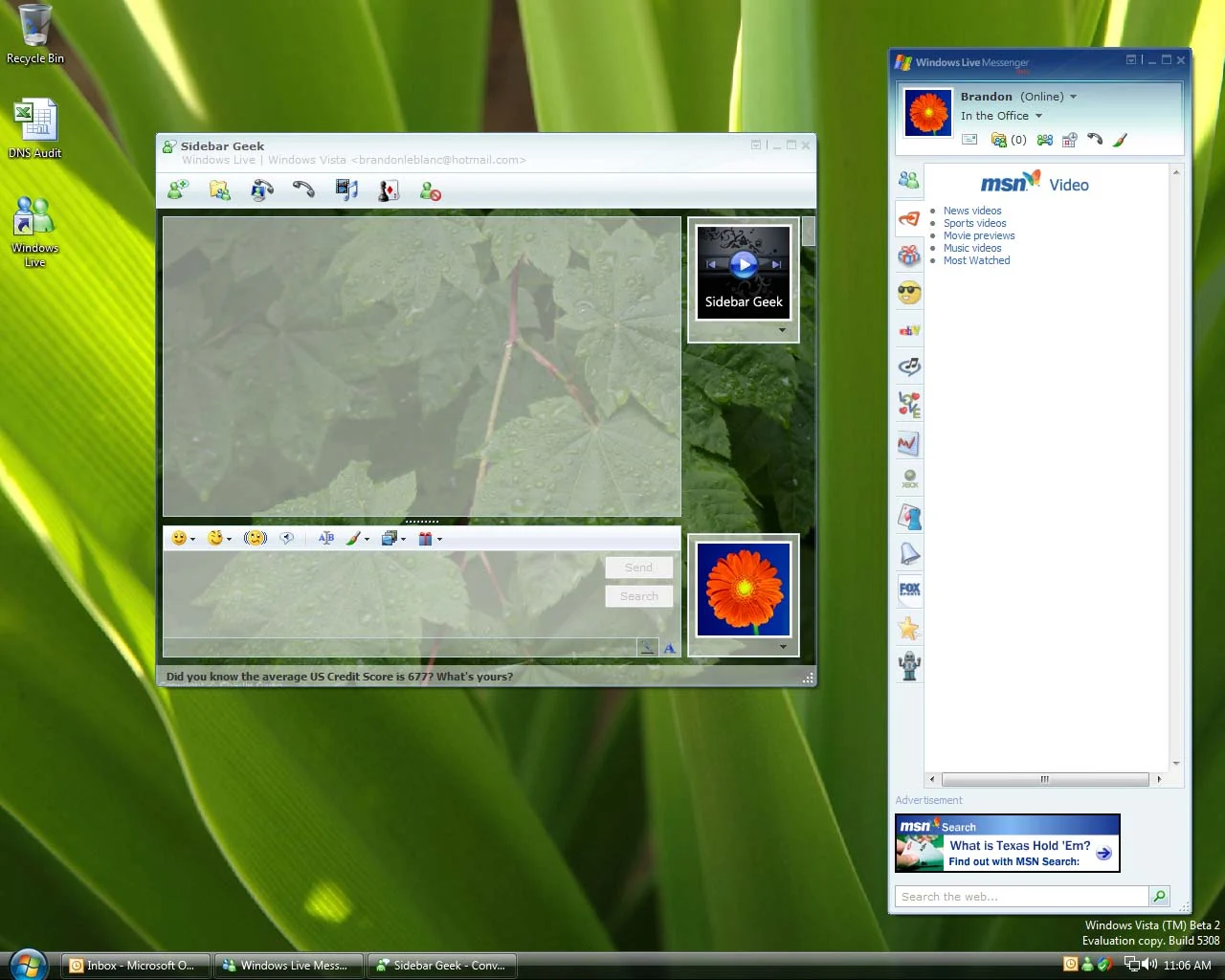
It was the later name in the same product family. Microsoft launched Windows Live Messenger in June 2006, after the MSN-branded versions. The 2005 MSN screenshots and later Windows Live screens therefore belong to different releases.
Windows Messenger was another Microsoft client name, so old references can be confusing. The version and date are more useful than assuming every program called “Messenger” had the same features.
Why can’t I sign in to MSN Messenger now?
The original Messenger service was retired. Microsoft began moving users to Skype in April 2013. That was a historical migration, not a current instruction for restoring MSN.
Old software and modern recreations may preserve the look of Messenger, but they should not be mistaken for Microsoft operating the original service again. The screenshots here show what people used, rather than promising a way back into an old account.
Ephemera
An early client, a 2005 contact list, and the Windows Live era. The versions look different because the service kept changing.
Related reading
 THE YAHOO WINDOW
Yahoo Messenger
Yahoo Messenger was Yahoo’s instant messaging service, built around a Yahoo ID, a contact list, and conversations with other users. It began as Yahoo Pager in 1998 and grew to include voice, photo sharing, and other features before closing in 2018.
 THE MESSAGE
Away Message
An away message is a notice that tells people you are unavailable to respond, often explaining why or when you will be back. Depending on the messaging service, it appears as a status message or is sent as an automatic reply.
 THE EXPRESSION
Emoticons
Emoticons are combinations of typed characters that suggest a face, expression, or gesture, such as :-) or ;-). They add cues about feeling or tone to a text message without requiring an image.
Sources
- Microsoft: MSN Messenger launch (July 1999)
- Microsoft: Messenger 7.0 features (April 2005)
- Trevor Morris: first-hand Messenger 7 review (April 2005)
- Microsoft: Windows Live Messenger launch (June 2006)
- Microsoft: the move to Skype (April 2013)
- Andre Da Costa’s collection of his Messenger screenshots (2009)