
Glossary term
GeoCities
GeoCities was a web hosting service that let people build personal websites, originally grouped into themed neighborhoods. It helped make the personal homepage a familiar part of the 1990s web. Yahoo acquired the service in 1999 and closed its US operation in 2009.
You could move into a neighborhood without leaving your desk. Your new place needed a title, a background, and probably a page about your favorite band.
A homepage of your own
Personal homepages: fan sites, family photos, hobby collections, journals, and things their owners wanted to explain to strangers. These were websites with their own pages and links, rather than posts inside one shared feed.
The service supplied hosting. What visitors found at the address depended on the person building it. The clashing backgrounds and tiny animations were contemporary choices, made by people figuring out how they wanted to appear online. Nobody was building a 1990s website as a period piece.
From Beverly Hills Internet to GeoCities
David Bohnett and John Rezner founded Beverly Hills Internet in November 1994. The business took the GeoCities name in 1995, turning its neighborhood idea into the name people remember.
Moving into a neighborhood
Themed areas grouped sites around interests, giving a homepage an address inside a larger community. The neighborhood metaphor made hosting feel like taking up residence.
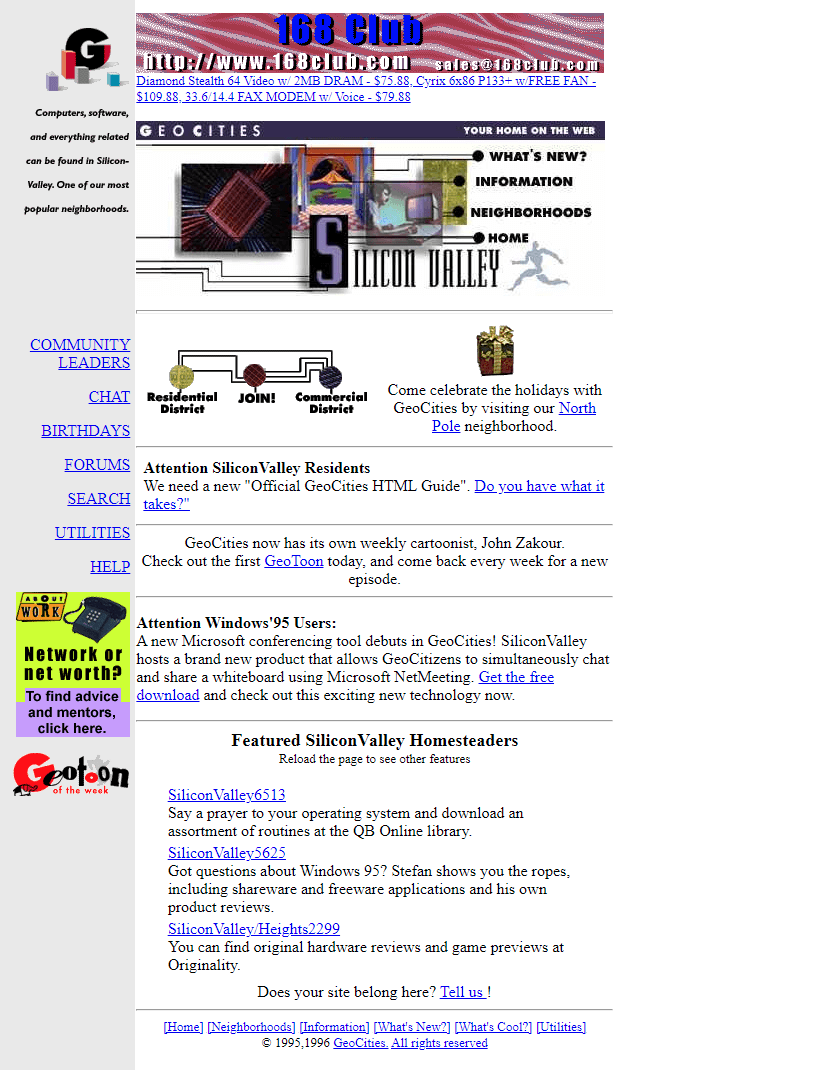
A neighborhood was an organizing system, not a promise that every page inside it would look alike. The 1996 homepage preserved below shows the service presenting itself as a collection of places to explore.
Yahoo buys it; the doors eventually close
Yahoo acquired GeoCities in 1999. The US service was scheduled to close on October 26, 2009; Archive Team records its final disappearance the following day. Those dates describe the US shutdown, not every later regional service using the name.
Can I find my old GeoCities website?
Possibly. A full address is the best starting point for the Internet Archive’s Wayback Machine. A remembered username, neighborhood, or distinctive phrase can also help when searching preserved collections such as Arquivo.pt.
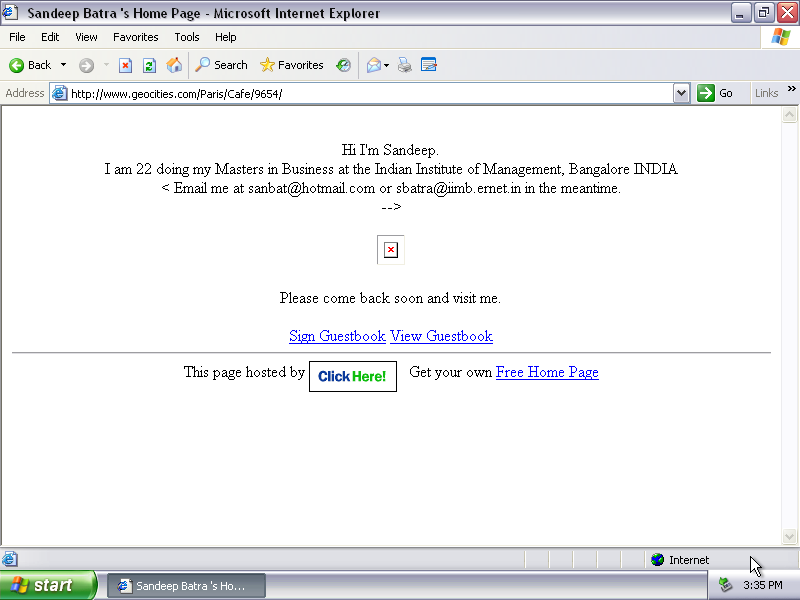
Preservation is uneven. A saved page may have missing pictures, and a working guestbook or form may not have survived at all. Finding a homepage does not guarantee that every part of the original site was captured.
The look came from the people building it
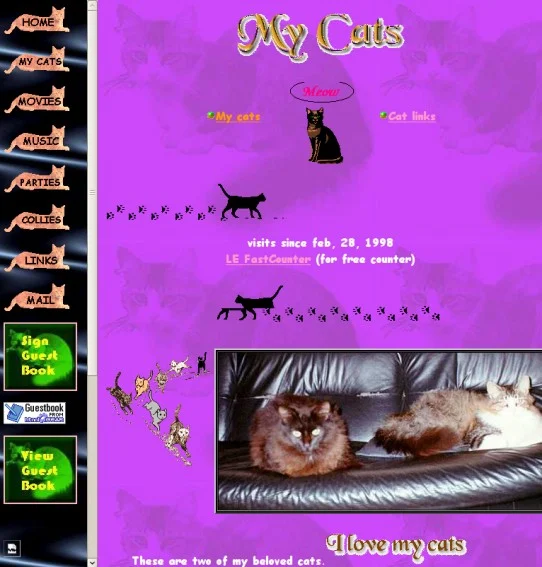
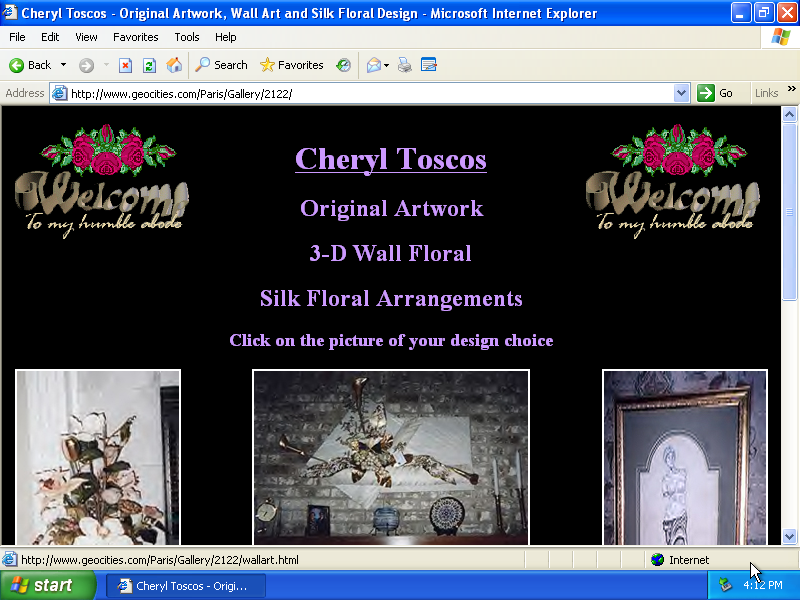
Owners could combine backgrounds, text colors, small graphics, and navigation in deeply personal ways. Under Construction GIFs and guestbooks were part of that vocabulary.
The point was often to make a place recognizable as yours. Later social platforms made publishing easier while narrowing how much of the surrounding page a person could change. A GeoCities homepage records both the freedom and the work that came with building the whole place yourself.
Is Neocities the same thing as GeoCities?
No. Neocities is a separate service that has offered personal static website hosting since 2013. Its name and emphasis on handmade sites recall that earlier tradition; it is not a restored GeoCities account or an automatic archive of old pages.
Ephemera
Start at the front door, wander through the neighborhoods, and look inside a few homepages. The last stop shows what happened to the files after GeoCities disappeared.
The neighborhoods



Inside the homepages

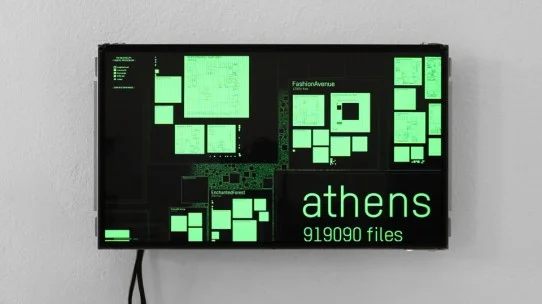
What survived
Related reading
 INTERNET HISTORY
MySpace
A profile could be a bedroom wall, a band flyer, and a friendship ranking—all on the same page.
 THE PERMANENT WORKSITE
Under Construction GIFs
Under Construction GIFs are small web graphics, often animated, that signal an unfinished or changing website. Road barriers, warning lights, tools, and construction signs became familiar motifs on personal homepages in the 1990s.
 THE NEXT SITE
Web Rings
A web ring, or webring, is a group of websites connected in a navigable loop, usually around a shared interest. Member sites display links such as Next and Previous so visitors can move through the group without returning to a search engine.
Sources
- Web Design Museum: GeoCities in 1996
- Archive Team: the GeoCities preservation project
- Arquivo.pt: searching its GeoCities collection
- Neocities: about the independent hosting service
- Computer History Museum: A Tale of Deleted Cities, 2016
- Olia Lialina and Dragan Espenschied: One Terabyte of Kilobyte Age Photo Op